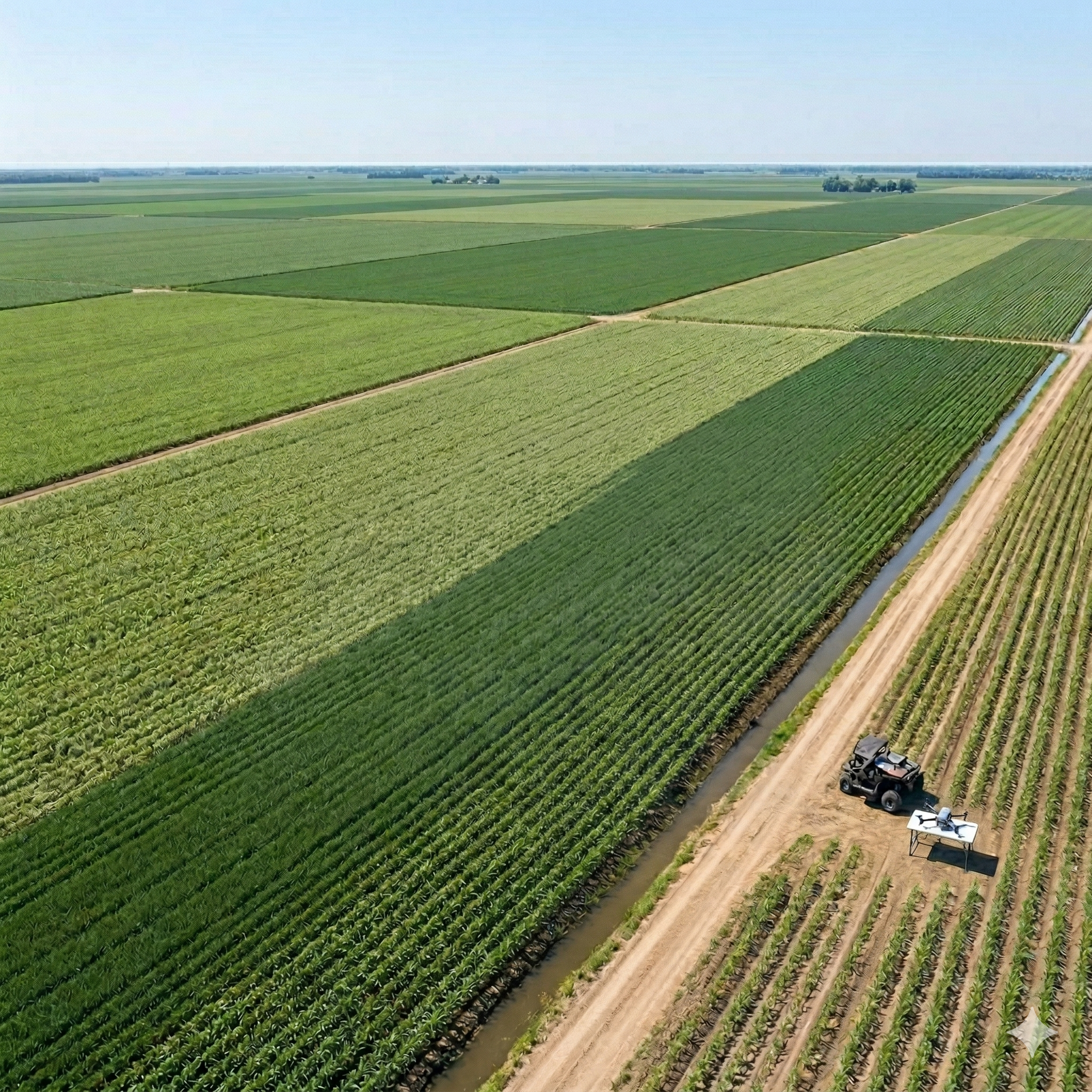
The Challenge of Fertilizer Application at Plantation Scale
Fertilizer application is a critical component of plantation management, directly influencing crop yield, plant health, and overall productivity. In large-scale plantation environments such as oil palm, sugarcane, or industrial crops, the process of distributing fertilizer efficiently across vast areas presents significant operational challenges.
Traditional fertilizer application methods rely heavily on manual labor or ground-based machinery. While these approaches are widely used, they often struggle to deliver consistent distribution, especially across uneven terrain or remote areas. As plantations expand in size and complexity, ensuring uniform fertilizer coverage while maintaining operational efficiency becomes increasingly difficult.
At the same time, there is growing pressure to improve input efficiency, reduce waste, and implement more accountable and traceable agricultural practices. This has created demand for solutions that combine precision, scalability, and operational control.
Limitations of Conventional Fertilizer Application Methods
Conventional fertilizer spreading methods typically involve manual broadcasting or the use of ground vehicles. These approaches present several limitations:
Inconsistent distribution, leading to over-application in some areas and under-application in others
High labor dependency, requiring large teams for extensive plantation coverage
Limited accessibility, particularly in wet, hilly, or densely planted areas
Soil compaction and crop disturbance caused by heavy machinery
Lack of traceability, making it difficult to verify application coverage and optimize future planning
In many cases, uneven fertilizer distribution results in inefficient nutrient uptake, affecting crop performance and increasing operational costs. Without accurate data on where and how much fertilizer has been applied, plantation managers face challenges in improving application strategies.
Precision Aerial Spreading as a Modern Solution
Precision aerial spreading systems using drones provide a more efficient and controlled approach to fertilizer application. By combining automated flight planning, calibrated spreading mechanisms, and GPS-guided navigation, these systems enable consistent and repeatable fertilizer distribution across large plantation areas.
Unlike traditional methods, aerial systems operate independently of ground conditions, allowing them to access remote or difficult terrain without causing soil disturbance. This flexibility makes them particularly suitable for large estates where terrain variability and accessibility are key constraints.
Key advantages of aerial spreading include:
Uniform distribution across defined plantation blocks
Reduced labor requirements and faster execution
Ability to operate in challenging terrain and conditions
Improved traceability through digital flight and application records
Scalable operations for large-area coverage
Operational Workflow of Aerial Fertilizer Spreading
Drone-based fertilizer application follows a structured workflow designed to maximize efficiency and consistency:
Field Mapping and Planning
Plantation areas are digitally mapped, and application zones are defined. Operators determine application rates, flight paths, and operational parameters based on crop requirements and terrain conditions.
Payload Preparation and Calibration
Fertilizer granules are loaded into the drone’s hopper system. The spreading mechanism is calibrated to ensure the correct flow rate and distribution pattern.
Automated Flight Execution
The drone follows predefined GPS-guided routes, maintaining consistent altitude and speed to ensure uniform coverage. The spreading system distributes fertilizer evenly across the designated area.
Real-Time Monitoring
Operators monitor flight progress and system performance, ensuring that operations proceed according to plan.
Data Logging and Reporting
All flight and application data are recorded, providing a detailed log of coverage areas, application rates, and operational parameters.
This workflow ensures that fertilizer application is not only efficient but also measurable and repeatable.
Technical Capabilities of Aerial Spreading Systems
Modern aerial spreading drones are designed with features that support plantation-scale operations:
Payload Capacity: Configurable to support different fertilizer volumes per mission
Coverage Capability: Typically able to cover large plantation blocks within a single flight cycle
Flight Time: Optimized for extended operations with battery swapping or rapid charging
Spreading Mechanism: Controlled flow rate with adjustable distribution settings
Navigation System: GPS with optional RTK support for improved accuracy
Operational Speed: Adjustable to balance coverage and precision
Autonomous Flight: Waypoint-based navigation with minimal manual intervention
These capabilities allow operators to tailor operations based on plantation size, fertilizer requirements, and environmental conditions.
Ensuring Uniform Distribution and Precision
Uniform fertilizer distribution is critical for optimizing plant growth and resource efficiency. Aerial spreading systems achieve this through:
Controlled release mechanisms that regulate fertilizer flow
Consistent flight parameters to maintain even coverage
Predefined flight paths that eliminate overlaps and gaps
Calibration settings that adapt to different fertilizer types and densities
By ensuring even distribution, plantations can improve nutrient uptake efficiency and reduce waste, leading to better crop performance.
Operational Efficiency and Scalability
One of the key advantages of aerial fertilizer spreading is its ability to scale operations efficiently. Compared to manual or ground-based methods, drone systems can cover large areas in significantly less time.
For example, a single drone operation can cover multiple hectares in one flight cycle, with rapid turnaround enabled by battery swaps. Multiple drones can also be deployed in parallel to further increase coverage capacity.
This scalability allows plantation operators to:
Execute fertilizer application cycles more quickly
Reduce reliance on large labor teams
Maintain consistent application schedules across all plantation blocks
Reducing Environmental Impact
Precision aerial spreading also contributes to more responsible resource management:
Reduced over-application, minimizing excess fertilizer runoff
Lower soil disturbance, preserving soil structure and health
Improved targeting, ensuring nutrients are applied where needed
Optimized input usage, reducing overall environmental footprint
By improving efficiency and control, plantations can achieve better environmental outcomes while maintaining productivity.
Field Scenario: Large-Scale Fertilizer Application
In a typical operation, a drone is deployed to cover a defined plantation block, following a pre-programmed route. As the drone moves across the field, fertilizer is distributed at a calibrated rate to ensure even coverage.
Operators monitor the process in real time, and upon completion, review flight logs and application data to confirm coverage. If required, additional flights can be conducted to address specific areas.
This approach ensures that fertilizer is applied consistently and efficiently, even across large and complex plantation environments.
Long-Term Benefits for Plantation Operations
The adoption of aerial fertilizer spreading systems provides several long-term advantages:
Improved consistency in fertilizer application
Reduced operational costs through lower labor requirements
Enhanced traceability and accountability
Increased efficiency in large-scale operations
Better crop performance through optimized nutrient distribution
By integrating precision technology into fertilizer application processes, plantations can achieve higher productivity while maintaining better control over resource usage.
Conclusion: Advancing Fertilizer Application Through Precision Aerial Systems
Precision aerial spreading systems represent a significant advancement in plantation management. By combining automation, accurate distribution mechanisms, and data-driven workflows, these systems address many of the limitations associated with traditional fertilizer application methods.
As plantation operations continue to evolve, the adoption of aerial spreading technology will play a key role in improving efficiency, scalability, and sustainability. Through enhanced control and visibility, plantation operators can optimize fertilizer usage, reduce waste, and support long-term agricultural productivity.
Related blog posts
Products⎯Apr 03, 2026
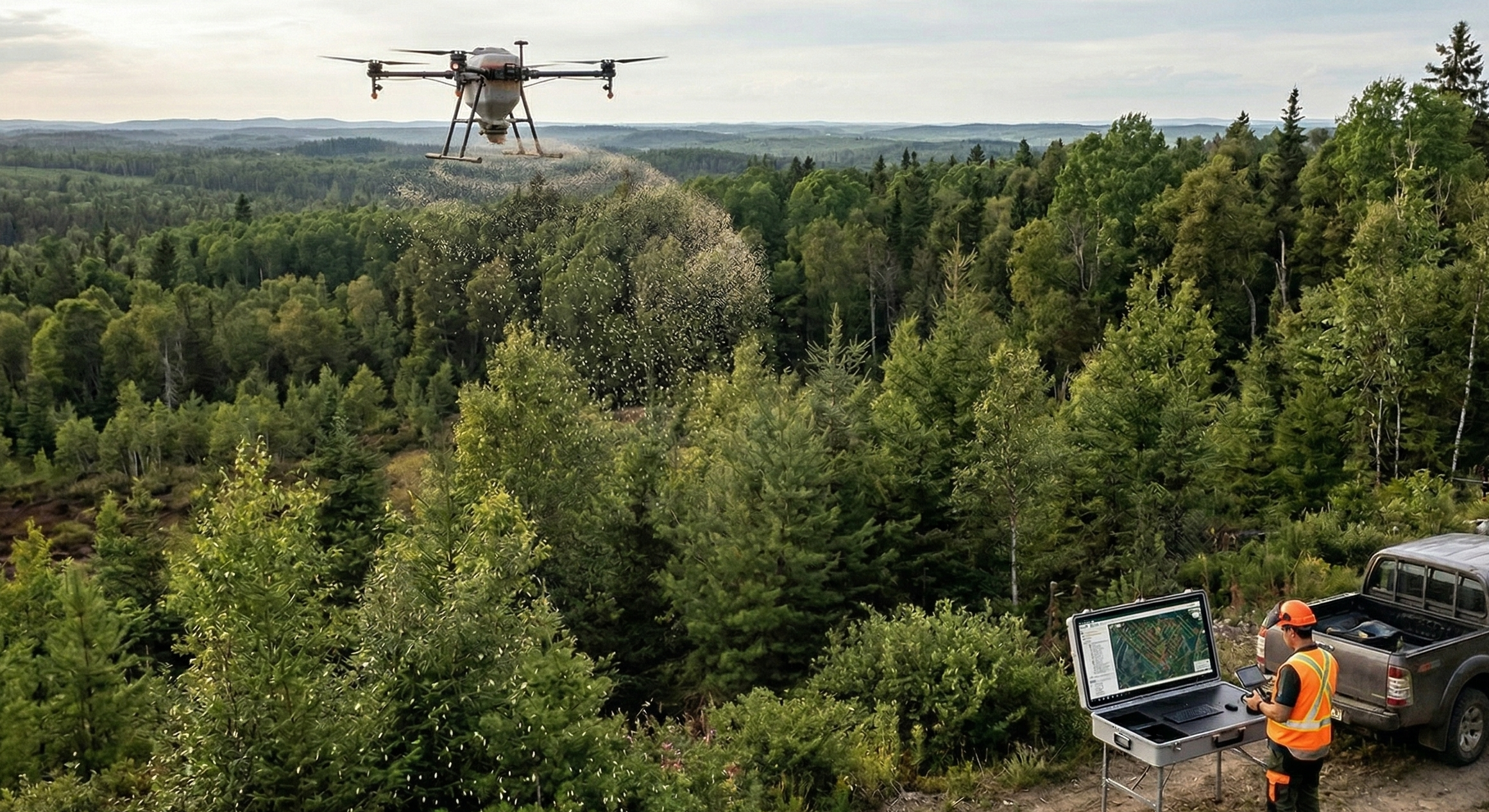
Improving Fertilizer Distribution Efficiency in Forestry Environments Using High-Capacity Aerial Spreading Systems
Products⎯Apr 03, 2026
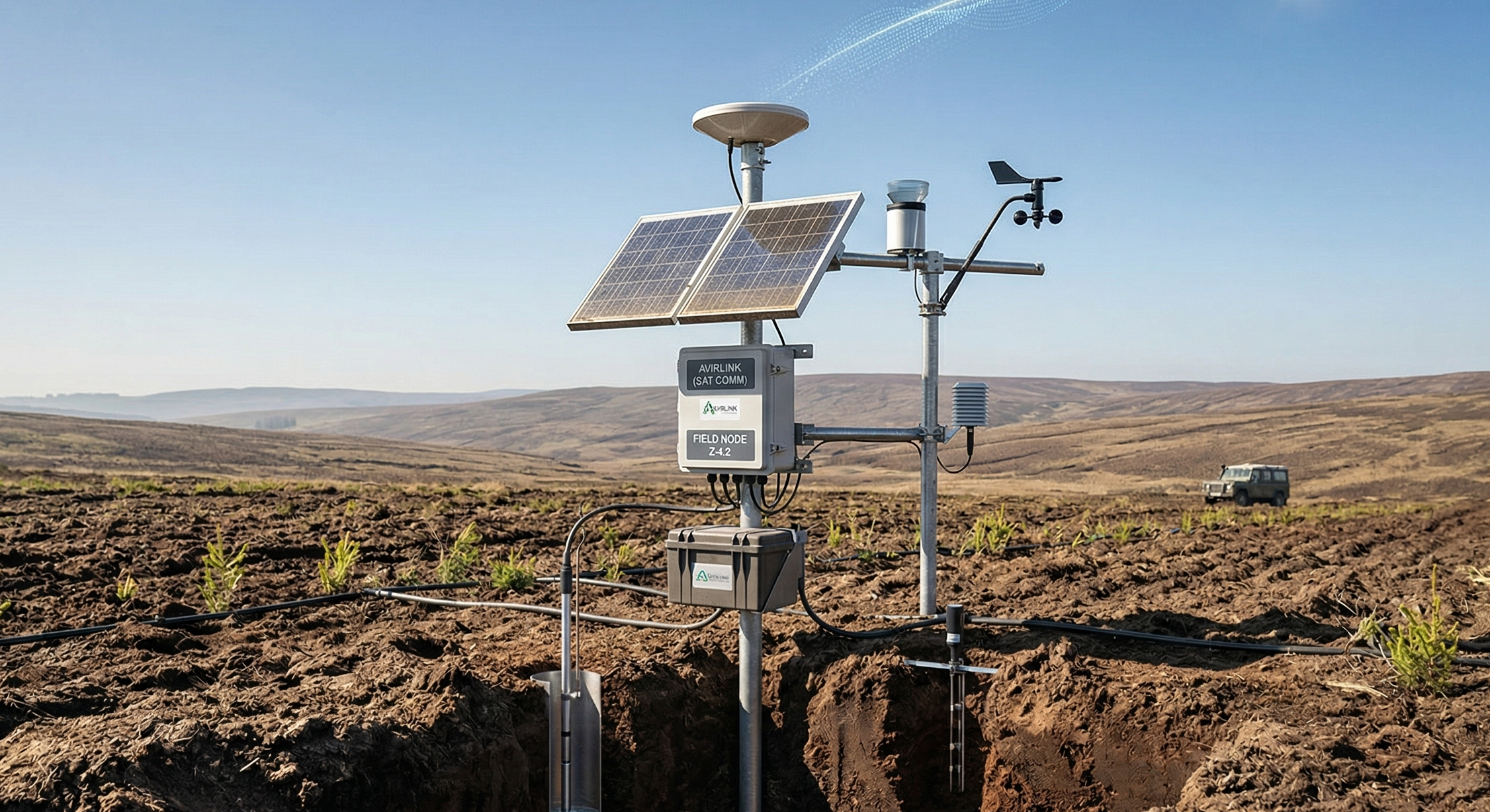
Enabling Remote Field Connectivity with Satellite Telemetry for Continuous Environmental Monitoring
Products⎯Mar 28, 2026
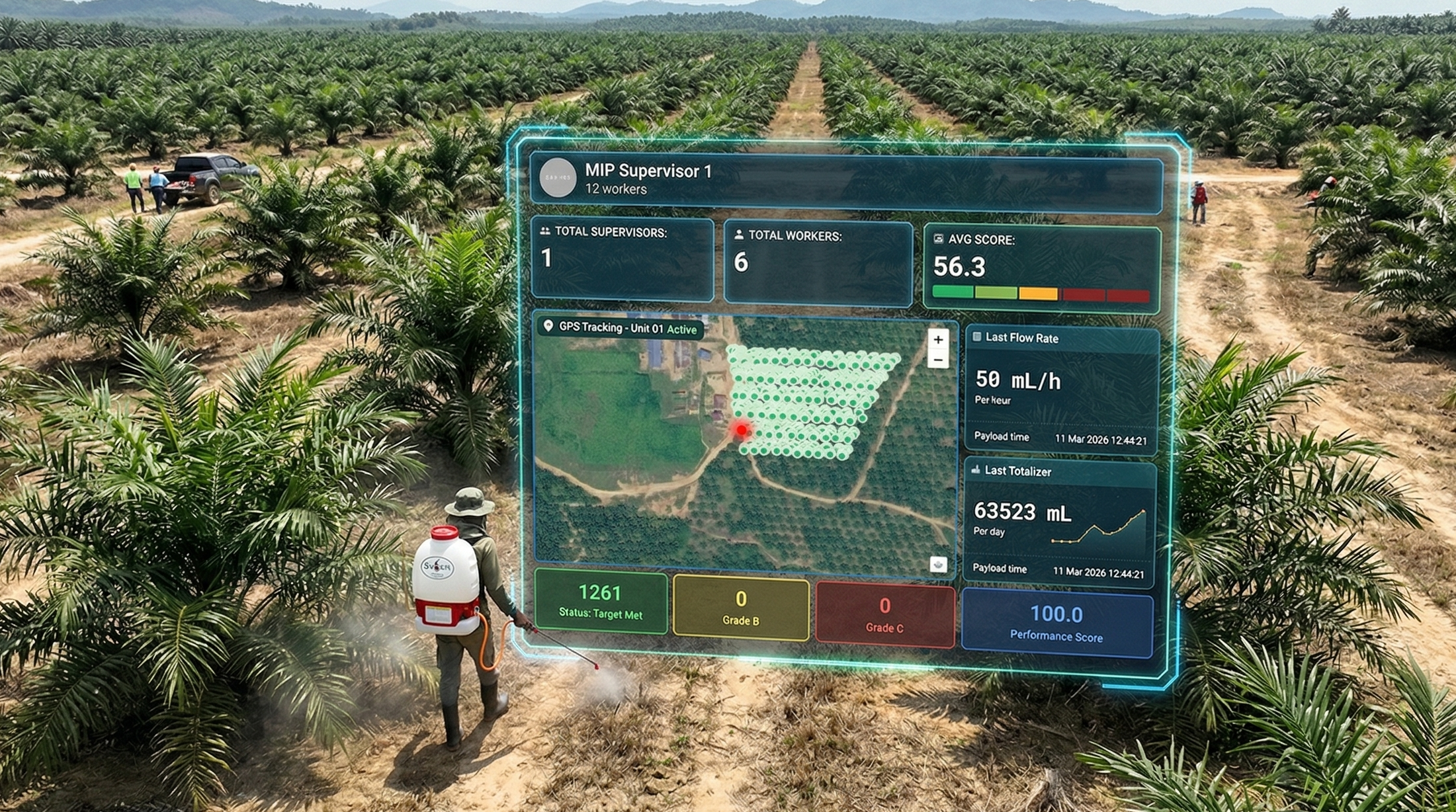
Enhancing Manual Spraying Operations with IoT-Enabled Smart Knapsack Systems for Accountability and Precision