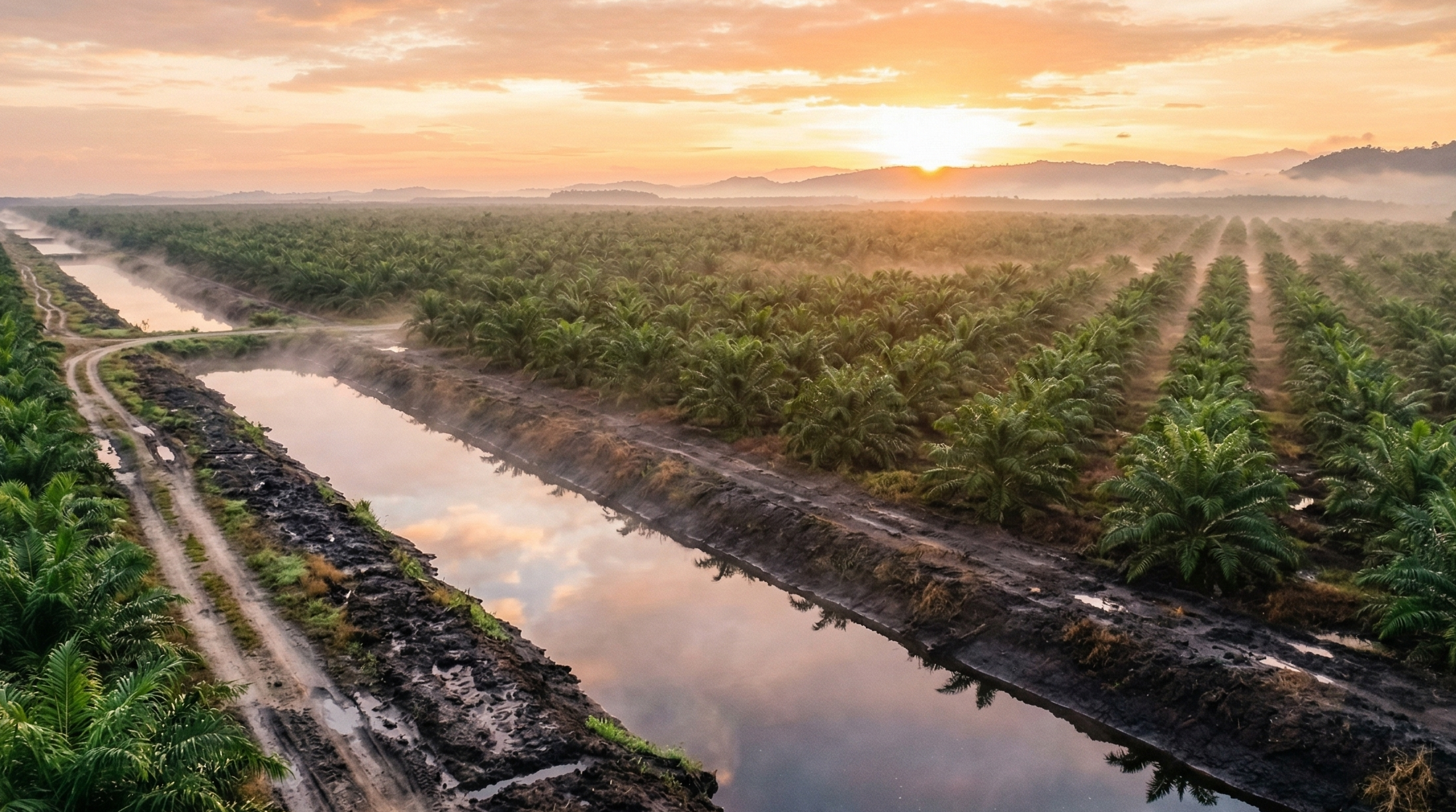
The Critical Role of Water Table Management in Plantation Operations
Water management is a fundamental component of plantation sustainability, particularly in regions with peatland and water-sensitive ecosystems. One of the most important indicators in this context is the water table level, commonly referred to in Indonesia as TMAT (Tinggi Muka Air Tanah).
TMAT represents the depth of groundwater below the surface and plays a crucial role in maintaining soil stability, supporting plant growth, and preventing environmental risks. In peatland areas especially, maintaining an optimal water table is not only an operational requirement but also a regulatory obligation.
Improper water table management can lead to severe consequences, including increased fire risk, soil degradation, reduced crop productivity, and long-term environmental damage.
The Challenge of Monitoring Water Table Across Large Plantation Areas
Plantation environments, particularly in forestry and peatland regions, often span thousands of hectares with varying terrain and hydrological conditions. Monitoring TMAT consistently across these areas presents several operational challenges:
Limited visibility of groundwater conditions across different zones
Manual measurement limitations, which are time-consuming and infrequent
Delayed detection of critical changes, especially during dry seasons
Inconsistent data collection, leading to unreliable insights
Difficulty in meeting regulatory requirements, particularly in peatland management
Water table levels can fluctuate significantly depending on rainfall, drainage conditions, and soil characteristics. Without continuous and location-specific monitoring, plantation managers are often unable to respond effectively to these changes.
The Importance of TMAT Monitoring in Indonesia
Indonesia has one of the largest tropical peatland areas in the world, making water table management a national priority. Maintaining stable TMAT levels is critical for:
Preventing peatland fires, which can release large amounts of carbon emissions
Protecting biodiversity in sensitive ecosystems
Supporting sustainable plantation productivity
Ensuring compliance with environmental regulations
Regulatory frameworks require plantation operators to monitor and maintain specific water table thresholds, particularly in peatland areas. Failure to comply can result in environmental damage, operational disruption, and regulatory consequences.
Sensor-Based TMAT Monitoring as a Modern Solution
To address these challenges, plantation operations are increasingly adopting sensor-based groundwater monitoring systems. These systems enable continuous measurement of water table levels directly in the field, replacing manual and periodic observations.
A typical TMAT monitoring system consists of:
Water Level Sensors
Installed in the ground to measure the depth and fluctuation of groundwater levels.
Telemetry Nodes
Devices that collect sensor data and transmit it to centralized systems.
Data Platforms and Dashboards
Interfaces that organize, visualize, and support interpretation of collected data.
This approach transforms TMAT monitoring from a manual task into a structured and consistent process, improving both accuracy and reliability.
Enabling Location-Specific TMAT Monitoring
One of the most important advancements in modern monitoring systems is the ability to measure water table levels at specific points within the plantation, rather than relying on centralized or representative locations.
This allows plantation managers to:
Monitor exact conditions in high-risk zones
Identify areas with declining water levels early
Adjust water management strategies based on localized data
Improve accuracy in decision-making across different blocks
In large plantations, water table conditions can vary significantly between areas. Location-specific monitoring ensures that each zone is managed based on its actual condition, not assumptions.
Overcoming Field Constraints with Remote Telemetry Systems
Deploying monitoring systems in remote plantation areas presents challenges related to power supply and connectivity. Many critical zones, especially in peatland or forestry environments, lack access to electricity and communication infrastructure.
Modern TMAT monitoring systems address this through integrated telemetry solutions that enable:
Solar-powered operation, ensuring continuous functionality without grid power
Battery backup, maintaining system stability
Satellite and low-power network connectivity, enabling data transmission from remote areas
This allows sensors to be deployed exactly where monitoring is needed, rather than being limited to accessible locations. As a result, plantation operators gain visibility into water table conditions across the entire estate.
Integrating TMAT Monitoring with Broader Environmental Data
Water table monitoring becomes significantly more powerful when integrated with other environmental data sources. By combining TMAT data with parameters such as rainfall, soil moisture, and weather conditions, plantation managers can gain a more comprehensive understanding of field dynamics.
This integration enables:
Better prediction of water table fluctuations
Improved planning of drainage and irrigation systems
More accurate assessment of fire risk conditions
Enhanced coordination between operational activities
For example, declining TMAT levels combined with low rainfall and high temperatures may indicate increased fire risk, requiring immediate intervention.
Supporting Fire Prevention and Risk Mitigation
One of the most critical applications of TMAT monitoring is fire prevention, particularly in peatland areas. When groundwater levels drop below certain thresholds, peat soil becomes highly flammable.
Continuous monitoring allows plantation teams to:
Detect early signs of water table decline
Identify high-risk zones before conditions escalate
Implement preventive measures such as water management or controlled irrigation
Reduce the likelihood of large-scale fire incidents
By maintaining stable water levels, plantations can significantly lower fire risk and protect both assets and surrounding ecosystems.
Enhancing Regulatory Compliance and Reporting
Environmental regulations in Indonesia require plantation operators to monitor and maintain specific TMAT levels, particularly in peatland regions. Sensor-based monitoring systems provide the data needed to support compliance.
Key benefits include:
Consistent and verifiable data collection
Historical records for reporting and audits
Improved transparency in environmental management
Alignment with national sustainability standards
This reduces the burden of manual reporting and ensures that compliance requirements are met with reliable data.
Operational Benefits for Plantation Management
Beyond environmental protection, TMAT monitoring also contributes to operational efficiency:
Improved Water Management
Accurate data allows better control of irrigation and drainage systems.
Enhanced Crop Health
Maintaining optimal water levels supports root development and plant growth.
Reduced Risk of Loss
Early detection of extreme conditions helps prevent damage to crops and infrastructure.
Better Resource Allocation
Data-driven insights enable more efficient use of manpower and equipment.
Field Application Scenario
In a typical deployment, water level sensors are installed across multiple zones within a plantation, particularly in areas prone to fluctuation or risk. Each sensor continuously measures groundwater depth and transmits data through a remote telemetry system.
Plantation managers can monitor water table conditions across different blocks, identify trends, and take appropriate action when thresholds are approached. This ensures that water levels remain within acceptable ranges, supporting both operational goals and environmental requirements.
Long-Term Impact of TMAT Monitoring Systems
The adoption of sensor-based TMAT monitoring systems provides long-term value for plantation operations:
Greater control over environmental conditions
Improved resilience against climate variability
Reduced risk of fire and environmental damage
Enhanced compliance with regulatory standards
Stronger foundation for sustainable plantation management
By shifting from manual observation to continuous monitoring, plantations gain a more accurate and actionable understanding of groundwater dynamics.
Conclusion: Strengthening Plantation Resilience Through TMAT Monitoring
Water table management is a critical factor in both plantation productivity and environmental sustainability. Monitoring TMAT levels using sensor-based systems enables plantation operators to maintain control over groundwater conditions, particularly in sensitive areas such as peatlands.
By combining location-specific measurement with reliable telemetry systems, modern TMAT monitoring provides the visibility needed to support effective land management, reduce risk, and ensure compliance. As plantation operations continue to evolve, these systems will play an increasingly important role in building resilient and responsible agricultural practices.
Related blog posts
Products⎯Mar 28, 2026
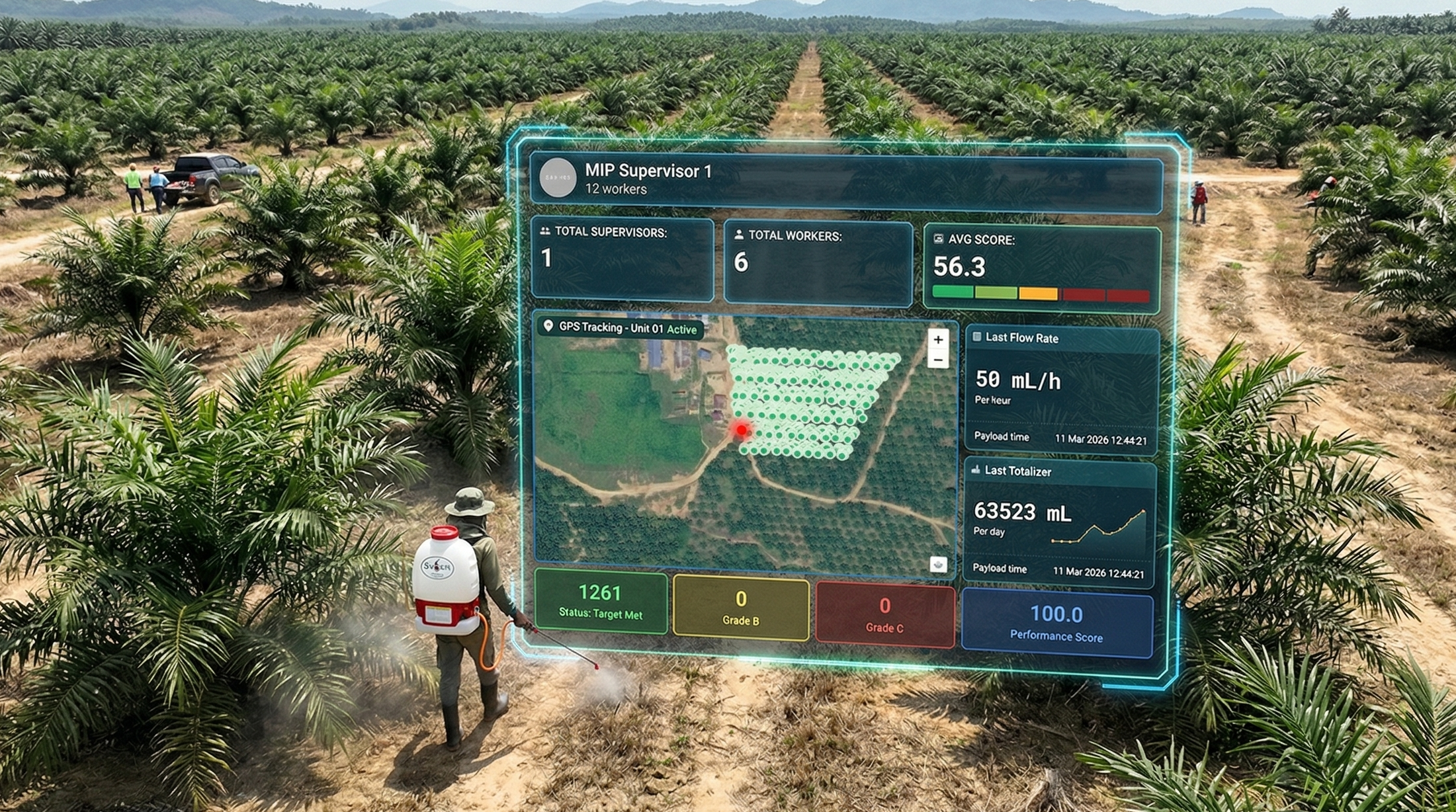
Enhancing Manual Spraying Operations with IoT-Enabled Smart Knapsack Systems for Accountability and Precision
Products⎯Mar 28, 2026
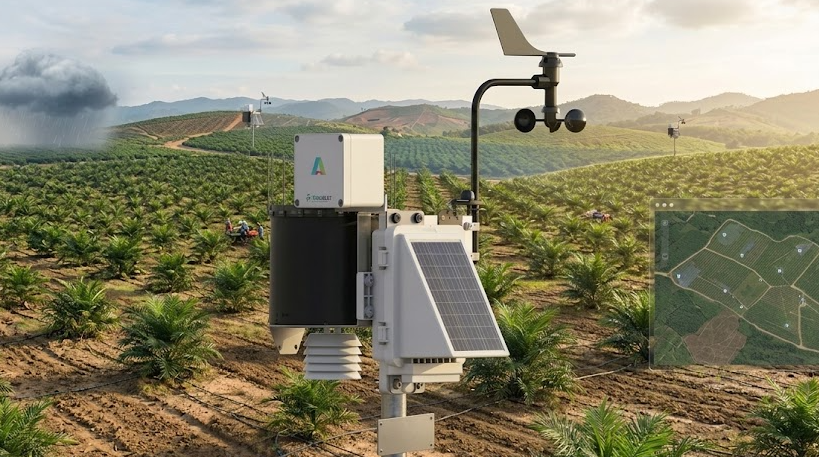
Improving Plantation Decision-Making with Automatic Weather Station (AWS) and Field-Based Environmental Intelligence
Products⎯Mar 28, 2026
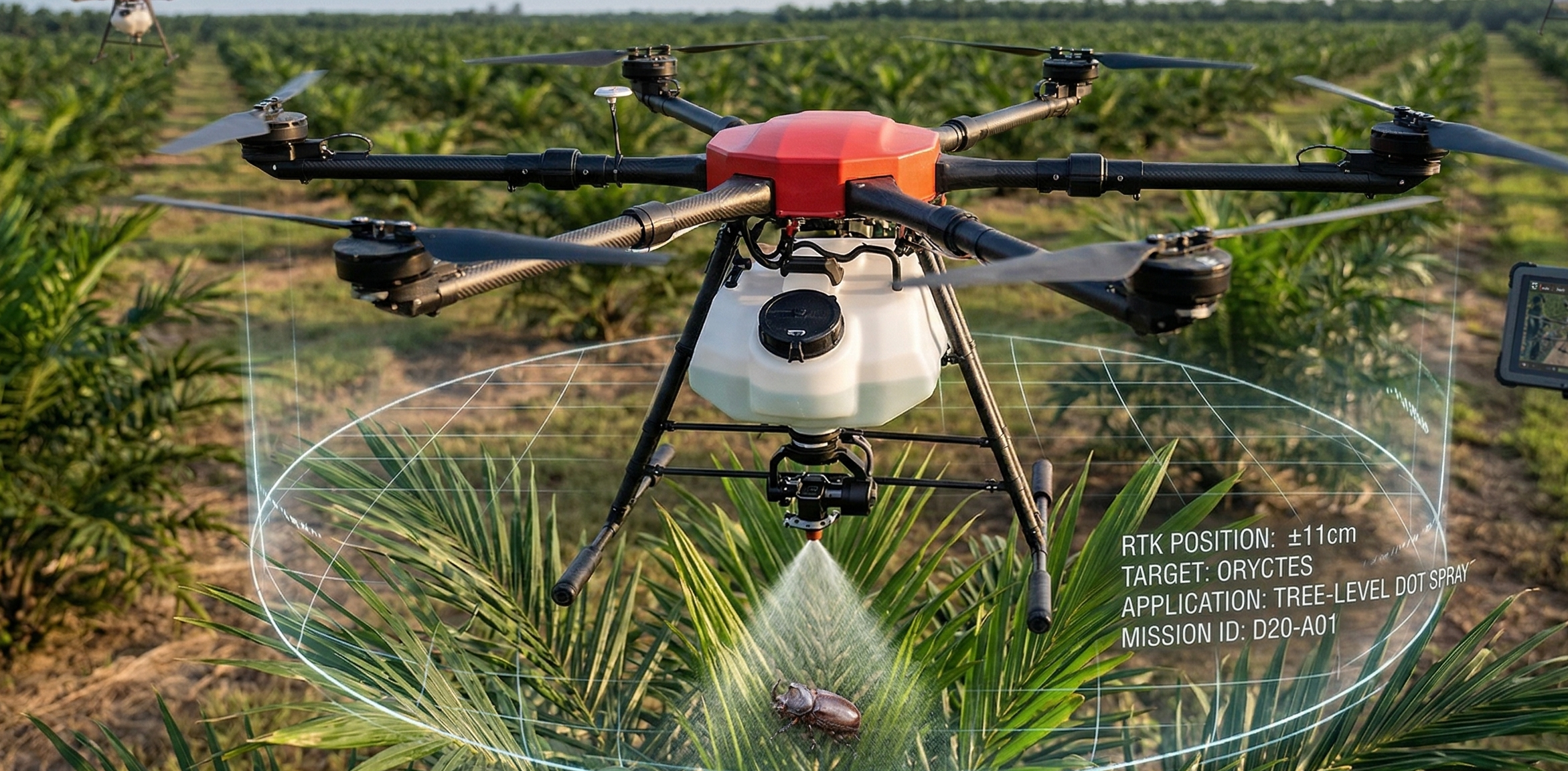
Enhancing Oryctes Control in Oil Palm Using the Aviro D20 Precision Drone Spraying System